01NHS PRACTICE
Clinical leadership
Consultant Adult Psychiatrist and Responsible Clinician at Somerset NHS Foundation Trust.

FOUNDER · MEDROSTRUM
Consultant Adult Psychiatrist | Clinical AI Governance Strategist | Healthcare Leader
MedRostrum was founded by a psychiatrist who was too often the only clinician in the AI room, and wanted that to change.
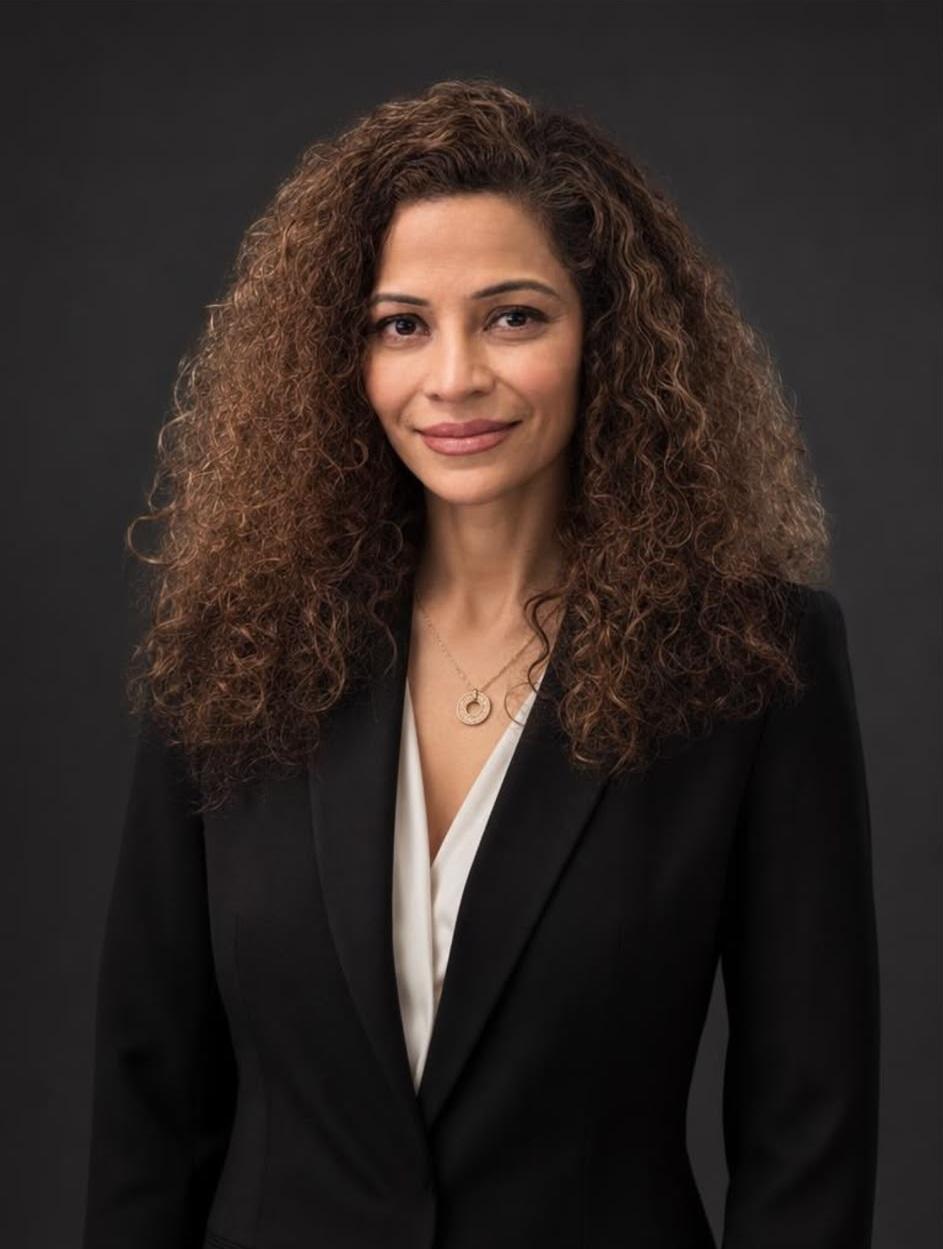
Founder and clinical lead
Dr Hina Tahseen
THE FOUNDER
Dr Tahseen brings together psychiatric clinical practice, medical education and AI governance, with a focus on clinical reliability, patient safety and ensuring that clinical judgement helps shape the technologies used in healthcare.
She specialises in adult ADHD and autism, works as an independent psychiatric expert witness and has undertaken AI ethics and governance training at Oxford's Saïd Business School and MIT.
KEY ROLES AND POSITIONS
Consultant Adult Psychiatrist and Responsible Clinician at Somerset NHS Foundation Trust.
Vice Chair of the Rehabilitation and Social Psychiatry Faculty, Royal College of Psychiatrists.
Honorary Lecturer at Cardiff University School of Medicine.
Examining clinical reliability, human data and the role of clinical judgement in trustworthy AI.
RESEARCH AND THOUGHT LEADERSHIP
Dr Tahseen's research examines the clinical reliability of the human data behind AI systems. Her work includes a published paper in JMIR Mental Health, work in BJPsych Bulletin, a Military Medicine paper accepted for publication, and a conference paper presented at AIiH 2026 at Imperial College London.
In June 2026, she presented at the UNIDIR Global Conference on AI, Security and Ethics in Geneva, addressing why AI systems can struggle to distinguish distress from threat.
Clinical judgement belongs in the room.
MedRostrum exists to prepare clinicians to work with AI and bring clinical judgement into how healthcare AI is built, evaluated and governed.
WHY MEDROSTRUM
Healthcare AI is increasingly being developed, evaluated and introduced into clinical practice without enough involvement from the clinicians who understand the people it will affect. Clinicians also need the knowledge and confidence to question these technologies on their own terms.
In psychiatry, understanding what someone says is not always the same as understanding what they mean. Clinical judgement depends on context, insight and recognising the limits of an account. AI systems trained on human language and preferences do not automatically possess that judgement.
BEYOND CLINICAL PRACTICE
Professional contributions spanning psychiatric education, research, quality improvement and clinical assessment.
Advocating for meaningful clinician involvement in assessing the reliability, safety and limitations of healthcare AI.
Contributing a clinical perspective to wider conversations about AI, security and ethics.
GET INVOLVED
Explore opportunities for clinical collaboration, education, research and responsible healthcare AI.